
30-Minute Keto Cauliflower Fried Rice (That Actually Tastes Good)


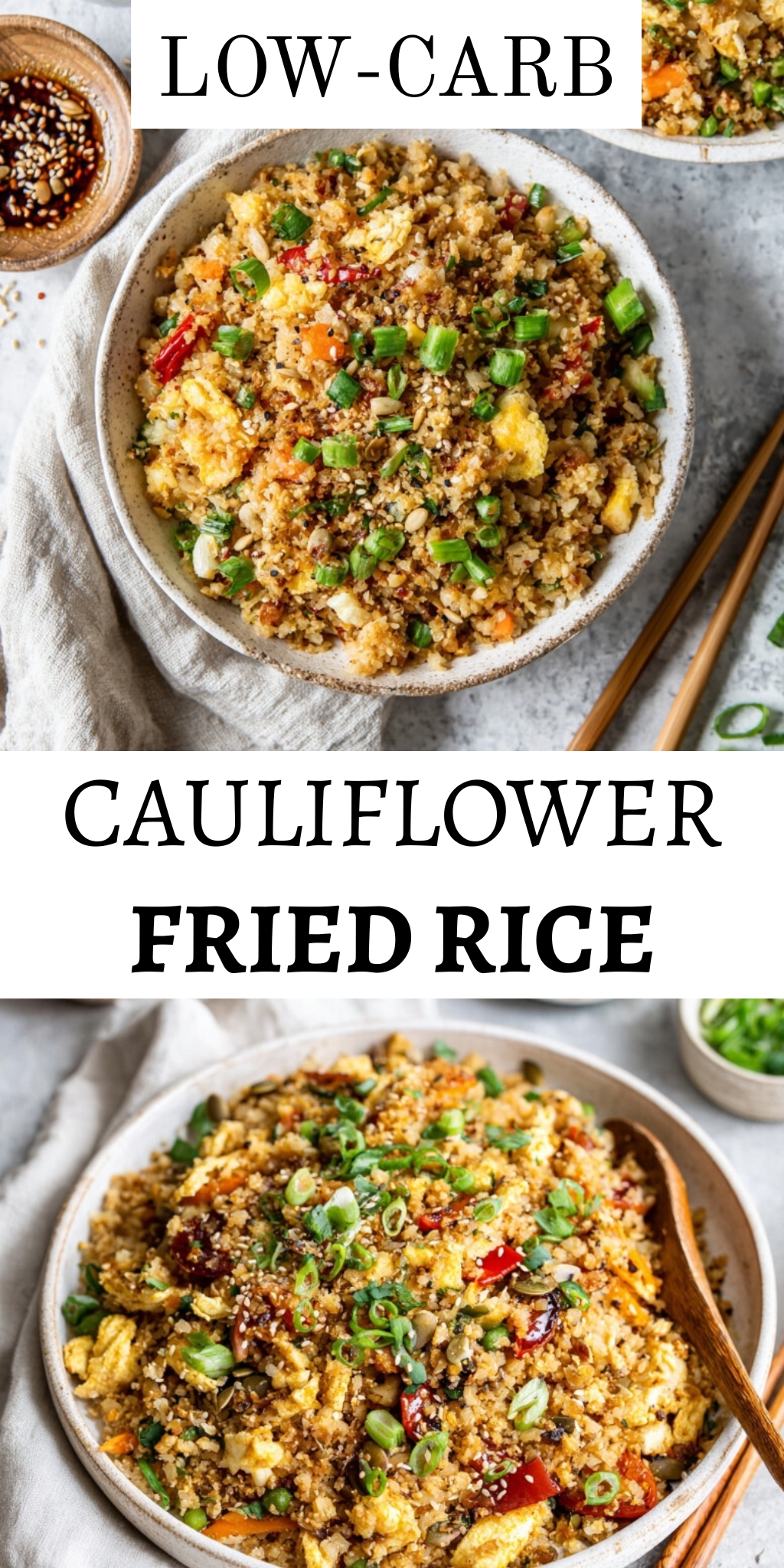
Craving savory takeout but want a lighter option for dinner? This keto cauliflower fried rice recipe delivers shatteringly crisp vegetables and savory, umami-soaked bites in under 30 minutes. It is a simple, satisfying bowl that hits all the right notes.
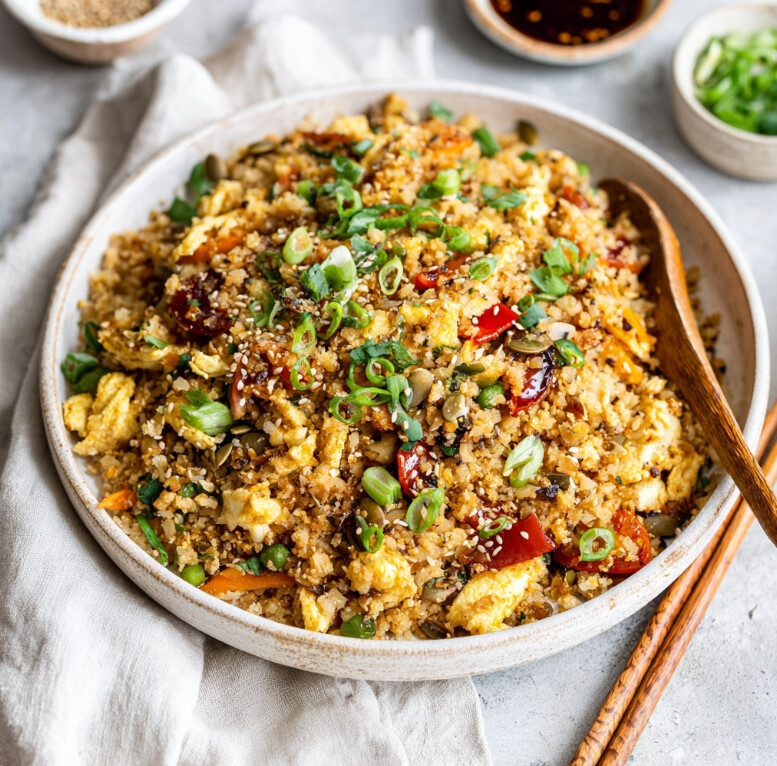 This post may contain affiliate links.
The Secret to Perfect, Non-Mushy Veggie Rice
- Toasted Perfection: Giving the riced florets a few minutes to toast in the hot pan draws out excess moisture, leaving behind a beautifully tender, fluffy base.
- Bold Savory Glaze: Coconut aminos and a hint of turmeric create a rich, golden coating that perfectly mimics your favorite restaurant sides.
- Effortless Crunch: Relying on a frozen vegetable medley saves prep time while locking in that essential, vibrant snap in every single bite.
Your Low-Carb Nutrition Snapshot
This low carb cauliflower fried rice fits perfectly into a carb-conscious routine without sacrificing volume on your plate.
With 12 grams of protein from the eggs and plenty of fiber from the vegetables, it is a highly nutritious and filling option for busy weeknights.
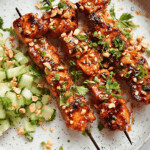
If you prefer a heavier protein serving, pairing this with some juicy Thai peanut chicken skewers makes for a fantastic and complete dinner.
Step-by-Step to a Sizzling Skillet
Start by letting the avocado oil sizzle over medium-high heat. Add your onions, garlic, and ginger, cooking until soft and fragrant.
Tumble in the bell peppers and riced cauliflower. Stir continuously to toast the cauliflower and build that subtle nutty flavor.
Pour in the frozen veggies, coconut aminos, and turmeric. Cover the pan and let it steam-fry until everything is perfectly tender.
Push the mixture aside and scramble the eggs until they form soft ribbons, then fold gently to combine everything together.
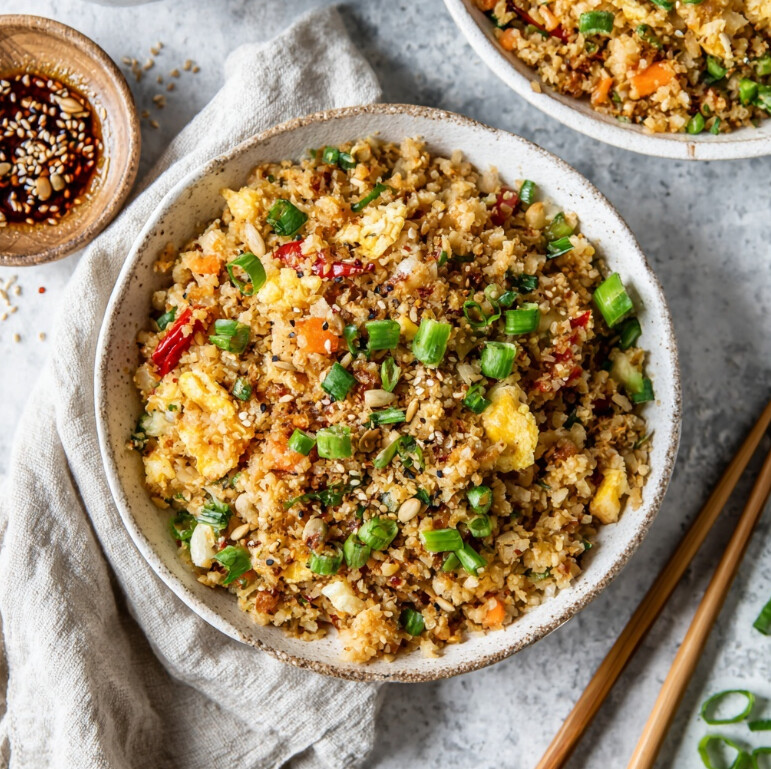
Quick Customizations and Storage
- Manage the Moisture: If the pan looks a bit wet at the end, turn the heat up to high for 60 seconds and toss rapidly to evaporate the water.
- Pantry Swaps: Tamari works beautifully instead of coconut aminos for a robust, salty kick.
- Complete the Spread: Serve this alongside some quick garlicky shrimp and broccoli or a fresh side of roasted lemon garlic asparagus for a vibrant table.
- Storage: Keep leftovers in an airtight container for up to 3 days. Press plastic wrap right on the surface of the rice to keep condensation away.
Common Questions When Cooking with Cauliflower
Can I use fresh cauliflower instead of frozen?
Absolutely. Fresh riced cauliflower works wonderfully, just keep an eye on the cooking time as it may toast slightly faster than the frozen variety.
How do I prevent the egg from getting rubbery?
Let the egg set for just a moment in the cleared space before gently scrambling. Folding it into the hot rice will finish the cooking process gently without overcooking the proteins.
Quick & Easy Cauliflower Fried Rice
This vibrant, low-carb cauliflower fried rice is brimming with savory flavors and crisp-tender vegetables. It comes together in under 30 minutes for a healthy, satisfying meal that’s better than takeout.
- Total Time25 minutes
- Yield6 servings 1x
Ingredients
Produce
- 1 small yellow onion (finely diced)
- 3 medium garlic cloves (minced)
- 1 teaspoon fresh ginger (grated)
- 1 large red bell pepper (cut into ¼-inch dice)
- 3 cups frozen mixed vegetable medley (e.g., peas, carrots, green beans)
- 6 cups about 1 ½ lbs / 680 g fresh or frozen riced cauliflower
- ½ bunch scallions (thinly sliced)
Proteins
- 3 large eggs
- ¾ cup about 185 mL liquid egg whites
Pantry & Seasonings
- 1 tablespoon avocado oil
- 5 tablespoons coconut aminos
- ¼ cup 60 mL vegetable broth or water, as needed
- ½ teaspoon turmeric powder
- Fine sea salt and freshly ground black pepper
Garnish
- 2 tablespoons toasted pepitas (pumpkin seeds)
Instructions
- Foundation Flavors: Place your wok or sauté pan over medium-high heat. Add the avocado oil. Once shimmering, add the diced onion and a pinch of salt, sautéing for 3–4 minutes until softened. Stir in the minced garlic and grated ginger, cooking for another minute until fragrant.
- Sauté the Peppers: Add the diced red bell pepper to the pan. Continue to stir-fry for 2–3 minutes, allowing the peppers to brighten in color while retaining a crisp texture.
- Toast the ‘Rice’: Tumble the riced cauliflower into the pan. Stir continuously for 3–4 minutes to toast it slightly, which helps remove excess moisture and develops a subtly nutty flavor.
- Steam-Fry the Vegetables: Pour in the frozen vegetable medley, the coconut aminos, and the turmeric powder. Stir everything to combine, then cover the pan and let the contents cook for 6–8 minutes. The cauliflower should be tender and the vegetables warmed through. If the pan appears dry at any point, add a splash of the vegetable broth to help create steam.
- Create Egg Ribbons: Whisk the whole eggs and egg whites together in your small bowl until uniform. Push the vegetable mixture to one side of the pan. Pour the egg mixture into the cleared space. Let it set briefly before gently scrambling it into soft ribbons.
- Final Assembly: Once the eggs are cooked, gently fold them into the cauliflower rice mixture. Stir in most of the sliced scallions, reserving some for garnish. Season to taste with additional salt and pepper. Serve immediately, topped with the remaining scallions and a sprinkle of toasted pepitas.
Notes
- Storage: Leftovers can be kept in an airtight container in the refrigerator for up to 3 days. To minimize moisture, press a piece of plastic wrap directly onto the surface of the rice before sealing the container.
- Ingredient Swaps: Feel free to use tamari in place of coconut aminos for a similar salty-savory note. For a different crunch, try toasted sunflower seeds or chopped cashews as a garnish. Edamame or finely chopped broccoli can be great additions to the vegetable medley.
- Troubleshooting: If you find the dish has too much moisture at the end, simply turn the heat up to high for the final 60 seconds of cooking, stirring constantly to help the excess water evaporate before serving.
Nutrition Facts (per serving): Calories: 197 kcal | Total Fat: 8 g (Saturated Fat: 1.6 g) | Total Carbs: 20 g (Fiber: 6 g, Sugars: 7 g) | Protein: 12 g | Sodium: 496 mg | Cholesterol: 93 mg | Potassium: 708 mg
These values are approximate and may vary based on ingredients and preparation.
- Prep Time: 10 minutes
- Cook Time: 15 minutes
- Category: Side Dish
- Cuisine: Asian-Fusion
Nutrition
- Calories: 197
Tracking macros and trying new ingredients can sometimes feel like a puzzle, but finding a meal that tastes this comforting makes the process genuinely enjoyable. How did your body respond to this satisfying swap? I always love seeing the data and results from your own kitchen experiments!
Disclaimer: I am just a data-loving home cook sharing the practical meals that keep my routine on track, not a nutritionist. Always listen to your own body and consult your doctor when trying new dietary changes!
- Save for Later1.5K
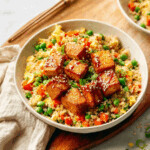
Wringing out the frozen cauliflower through a clean kitchen towel first is the real secret to this recipe. I squeezed out almost a half cup of water before the cauliflower even hit the pan. Because the wok was screaming hot and the ‘rice’ was actually dry, it fried beautifully instead of turning into a steamed, soggy pile. I tossed in a handful of chopped edamame with the frozen veggies for a bit more texture. This is a genuinely solid low-carb dinner that didn’t feel like a sad diet compromise.
Removing that excess water is absolutely crucial for getting the proper mouthfeel and allowing the Maillard reaction to occur in the pan. How did your digestion handle the higher vegetable volume compared to when you eat traditional white rice?