Quick Zucchini Noodle Recipe: A Crisp Pasta Swap

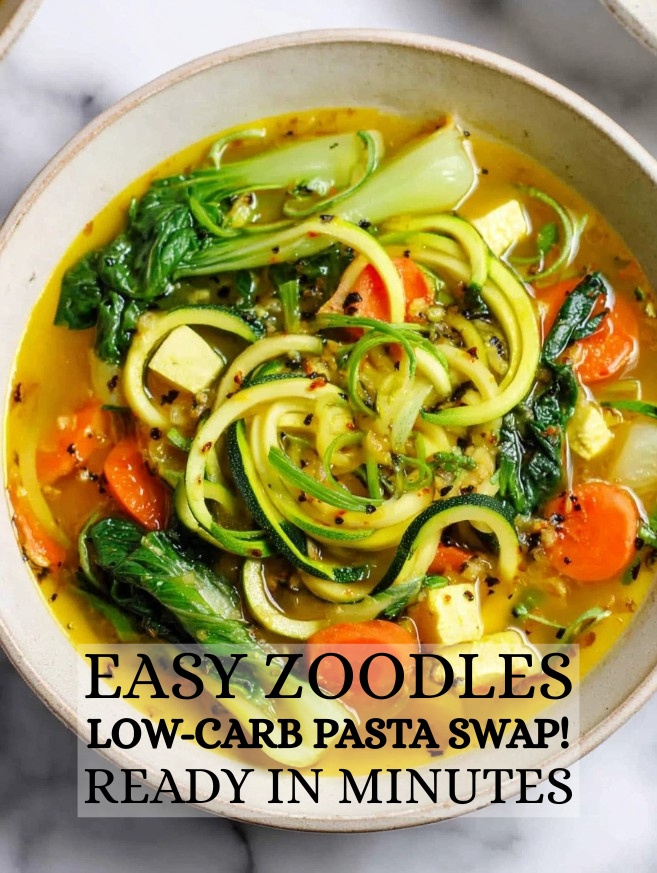
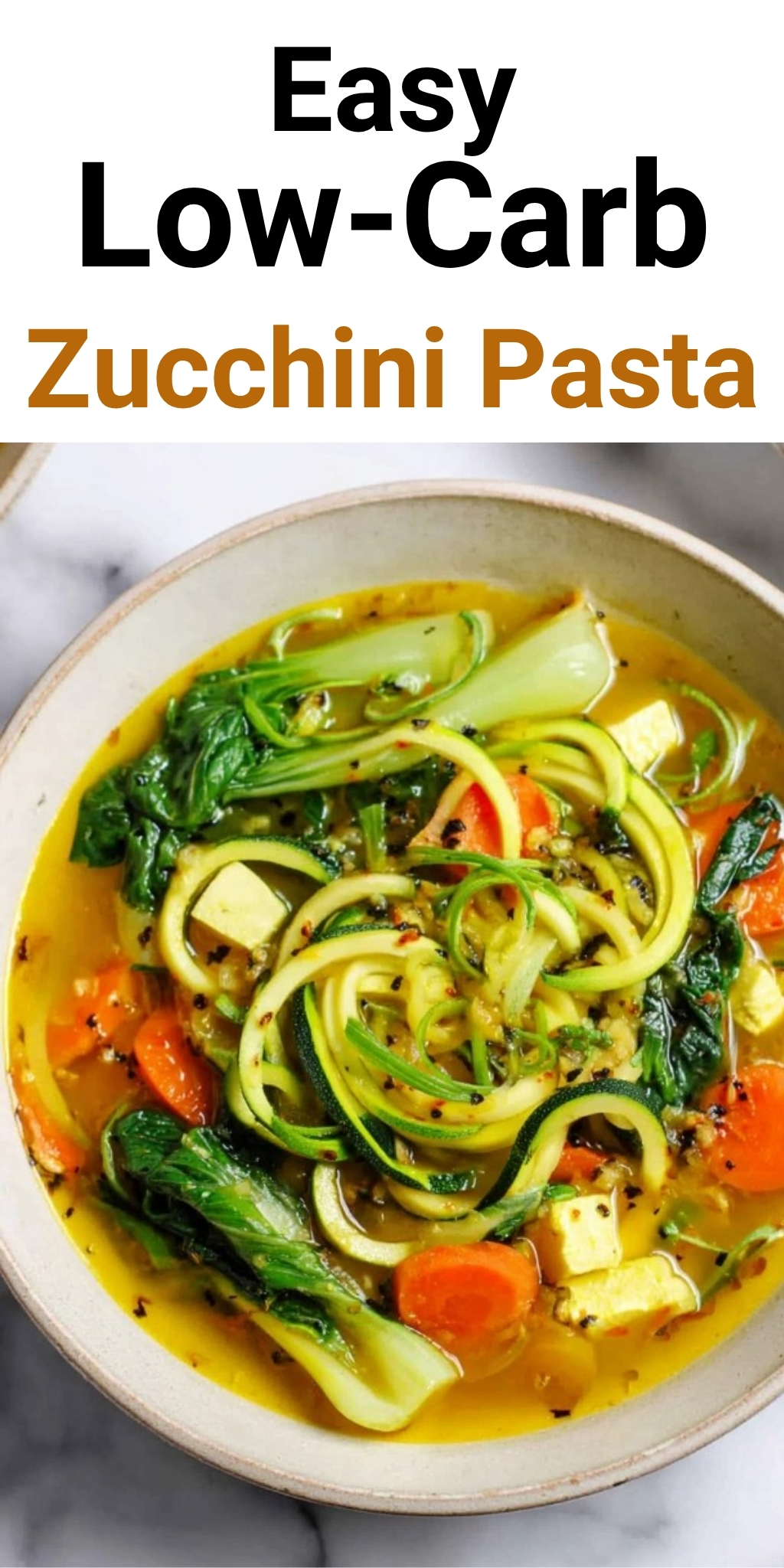
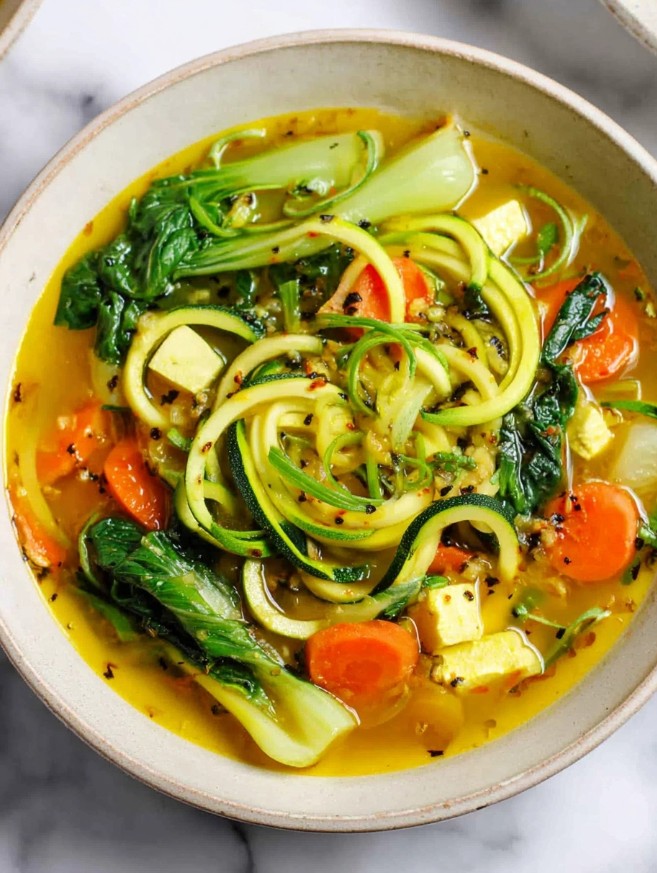
This low-carb zucchini noodle recipe delivers tender-crisp ribbons with a garlicky bite that won’t turn to mush on your plate. It takes just two minutes in a hot pan, giving you a bright, versatile base for your favorite heavy sauces.
 This post may contain affiliate links.
The Secret to Crisp Strands
The biggest complaint about courgettes is the high water content. We solve that issue before the cooking even starts. Salting the raw strands draws out the hidden moisture.
You pat them dry with a towel, meaning they actually sauté instead of just steaming in their own juice. A hot pan and avocado oil lock in that bright green color. You get the familiar twirl of a noodle without feeling heavy afterward.
These firm strands also make a great base for bold proteins. I often serve them under jeweled skewers of Mediterranean shrimp.
How to Cook This Zucchini Noodle Recipe
Making these is fast, but the prep steps matter. Wash your squash and choose your weapon. A spiralizer gives you classic curves, while a mandoline creates wider ribbons.
The most important part of learning how to cook zucchini noodles is managing the water. Toss the raw strands with fine sea salt and let them sit in a colander. Wait about 15 minutes, then aggressively pat them dry.
- Get your skillet very hot before adding oil.
- Add the chopped garlic, but only stir for 30 seconds so it doesn’t burn.
- Drop in the dry noodles and toss constantly for 90 seconds.
You want sauteed zucchini noodles that are bright green and barely softened. Take the pan off the heat immediately to stop the cooking process.
Making the Most of Your Ribbons
- Salt is mandatory. This step is exactly how you avoid a watery sauce later.
- Store them dry. Cooked leftovers get soggy fast. Store uncooked, dry strands in an airtight container in the fridge for up to three days.
- Dress them up. If you want a cold contrast, a dollop of creamy Mediterranean tzatziki works well right on top.
Vibrant Zucchini Ribbons: A Fresh Pasta Swap
Enjoy tender, beautifully green zucchini transformed into delightful noodle shapes. A perfect light base for your favorite sauces and toppings, ready in minutes!
- Total Time22 minutes
- Yield5 1x
Ingredients
- 1 ½ tablespoons 22.5ml avocado oil or light olive oil
- ½ teaspoon fine sea salt (plus additional for preparing courgettes)
- ¼ teaspoon red pepper flakes (optional, for a subtle warmth)
- ¼ teaspoon freshly cracked black pepper
- 5 generously-sized courgettes (approx. 1.2 kg / 2 ¾ lb total, ends trimmed)
- 1 large clove garlic (finely chopped)
Instructions
Courgette Preparation:
- Wash and trim the ends of your courgettes. There’s no need to peel them, as the skin adds color and nutrients.
Select your preferred tool to shape the courgettes into noodle-like forms:
- Spiral “Spaghetti”: Affix your spiralizer to a stable surface. Center a courgette onto the device and turn the crank to produce long, curly strands. Trim exceptionally long strands if desired.
- Straight “Angel Hair”: Grasp a courgette firmly. Draw the julienne peeler along its length, creating thin, delicate strands. Rotate the courgette as you go to work evenly around the core.
- Flat “Fettuccine” Ribbons: Carefully use a mandoline to slice the courgettes lengthwise into even, thin planks (about ⅛-inch or 3mm thick). Stack a few planks and use a sharp knife to cut them into fettuccine-width ribbons.
- Broad “Pappardelle” Strips: With a Y-peeler or wide vegetable peeler, press firmly against the courgette and peel long, wide ribbons from top to bottom. Rotate the courgette, continuing until you reach the seedy core.
Moisture Management (Optional but Recommended):
- Place the prepared courgette noodles into a large colander. Sprinkle lightly with about ½ teaspoon of fine sea salt and toss gently to distribute. Allow the noodles to rest for 10-15 minutes. This step helps draw out excess water, resulting in less sogginess after cooking. Gently pat the noodles dry with a clean kitchen towel or paper towels, removing as much released moisture as possible.
Pan Pre-heating & Aromatics:
- Position your wok or sauté pan over medium-high heat, allowing it to get thoroughly warmed (approximately 375°F / 190°C). Add the avocado oil (or light olive oil). Once the oil shimmers, add the finely chopped garlic and optional red pepper flakes. Stir for about 30 seconds until the garlic is fragrant, being careful not to brown it.
Flash-Cooking the Noodles:
- Introduce the dried courgette noodles to the hot pan. Using tongs, toss and turn them gently but constantly for 90 seconds to 2 minutes. The aim is to heat them through and achieve a tender-crisp texture. They should appear vibrant green and slightly softened but still possess a pleasant bite. Avoid overcrowding the pan; cook in batches if necessary to ensure they sauté rather than steam.
Final Seasoning & Serving:
- Remove the pan from the heat. Season the courgette noodles with the measured ½ teaspoon of fine sea salt (or to taste, especially if you skipped the salting step) and freshly cracked black pepper. Toss once more and serve immediately. These versatile noodles are best enjoyed fresh, paired with your choice of accompaniments.
Notes
Chef Notes
Storage: Cooked zucchini noodles are best eaten straight away as they can become watery. If you have leftovers, store them in an airtight container in the refrigerator for up to 24 hours. Reheat very briefly or enjoy cold. Uncooked spiralized noodles can be stored in an airtight container in the fridge for 2–3 days; pat dry before cooking.
Swaps & Enhancements:
- Squash Varieties: Yellow summer squash or pattypan squash can be used similarly for a visual and subtle flavor variation.
- Herbaceous Lift: Toss the cooked noodles with fresh, chopped herbs like flat-leaf parsley, cilantro, dill, or chives just before serving.
- Citrus Zing: A squeeze of fresh lemon or lime juice after cooking can brighten the flavor.
Troubleshooting Soggy Noodles:
- The “Moisture Management” step is key; don’t skip it if you prefer firmer noodles.
- Ensure your pan is sufficiently hot before adding the noodles.
- Do not overcook; a minute or two is usually plenty. They should be al dente.
- Serve immediately. The longer they sit, especially with sauce, the more water they may release.
Sauce Inspiration:
- Creamy Avocado & Lime: Blend ripe avocado with lime juice, cilantro, a touch of garlic, and a splash of water for a vibrant, dairy-free sauce.
- Roasted Tomato & Almond: Toss with slow-roasted cherry tomatoes, toasted slivered almonds, fresh basil, and a drizzle of balsamic glaze.
- Spicy Red Pepper Cashew Crema: Create a rich, spicy sauce using roasted red peppers, soaked cashews, garlic, chili flakes, and nutritional yeast.
- Lemony Dill & Chickpea Delight: Combine with a light pesto made from fresh dill and lemon, then toss with pan-seared chickpeas for added protein.
Nutrition (per serving, approximate):
- Calories: 79 kcal
- Protein: 3 g
- Carbs: 8 g
- Fat: 5 g (Saturated Fat: 0.7 g)
- Fiber: 2.4 g
- Sugar: 6 g
- Sodium: 240 mg
- Cholesterol: 0 mg
- Potassium: 630 mg
- Prep Time: 20 minutes
- Cook Time: 2 minutes
- Category: Side Dish
- Cuisine: Modern European
Nutrition
- Calories: 79
The Final Word
I always like to ask: how did your body respond to this? Sometimes a lighter swap is exactly what the data calls for. And if your body just needs the real thing today, my lemon Mediterranean pasta is always there for you.
Quick reminder: I share what works in my kitchen, not medical advice. Check the nutrition numbers to see how this fits your personal data.